Wednesday, 12 February 2014

"Ode to West Wind" and Greek Sculptures of the Nereids


The Three Nereids from the Nereid Monument are an interesting pair with Shelley’s “Ode to the West Wind.”  Both are about life and death.  “West Wind” is about the wind which comes and goes as the seasons pass and symbolize the cycle of life and death.  Life and death are more overt subject matter in the sculpture, which shows the Nereids escorting the souls of the deceased to the afterlife.

Wind, too, links both works of art concretely in that it is both the subject of the poem and a feature of the sculpture in the figures’ clothes being blown as they journey over the sea.  And while wind is a more overt metaphor for the cycle of life and death in the poem, it is also symbolic in the sculpture, where it could be seen as an embodiment of the deceased souls rushing along over the sea.


Both works are very tactile.  The poem goes to great lengths to make the reader feel the main subject—the wind—and the metaphors used throughout, like the grand storm in the second section.  Looking at the sculpture, one can also very much feel the wind blowing and the spray of the sea very dramatically against the figures in all the dynamic wrinkles and wet transparence of the clothes as well as the sea bird and the partially visible dolphins.

Rather than totally reflect, the works also complement each other.  While the speaker of the poem calls the West Wind “Destroyer and Preserver,” the sculpture represents neither destruction nor preservation but a process that lies in some kind of space in between those two but is likewise a never-ending process.

Sunday, 9 February 2014

Nature and Human Experience in Keats and Arnold

There's something powerful about nature and human experience in Keats's "On First Looking Into Chapman's Homer" and Matthew Arnold's "Dover Beach."  In Keats it has more to do with experiencing nature via language, while in Arnold it's simply experiencing nature.  I'll begin with Keats.


"On First Looking Into Chapman's Homer"

The poem is in a single stanza, but many things point to it being two sections, lines 1-6 and lines 7-14.  One obvious one is the use of the conjunction "yet" to begin line 7, creating a distinction between what follows that word and what preceded it.

More interesting to note is a change in diction that separates the poem into these sections.  There are a few interesting words in the first section:

  • realms
  • gold
  • kingdoms
  • deep-brow'd
  • demesne
But the section is played down by plain adjectives and verbs, such as:


  • goodly
  • seen
  • been
  • hold
  • wide
  • told
  • ruled

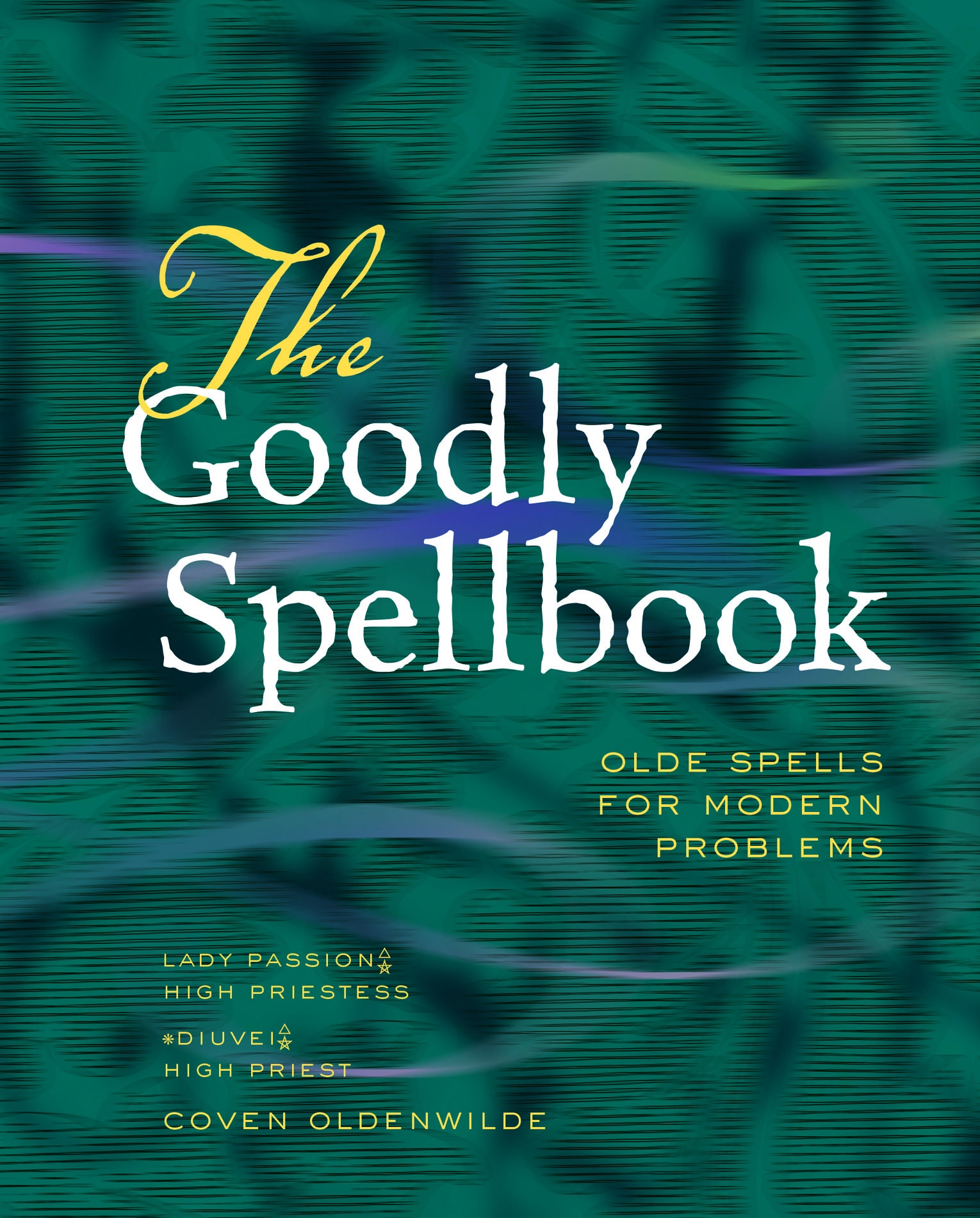
(The image is the first that comes up from a Google image search of the word "goodly".  The image doesn't evoke any feeling, and in fact almost all of the images that came up were just the word printed out on various things--books and t-shirts.)


The remainder of the poem is a stark contrast.  Take in these powerful words and phrases:

  • breathe
  • pure
  • serene
  • speak
  • loud
  • bold
  • watcher of the skies
  • planet
  • swims
  • stout
  • eagle eyes
  • wild
  • surmise
  • silent
  • peak


(This image is the first that comes from a Google image search of the word "breathe".  It is an action word, a human word, a feeling word, quite different from "goodly," a distinction which I think is shown strongly by the difference in pictures.)

http://lilavinyasa.com/wp-content/uploads/2013/09/breathe_by_sibayak.jpg


What turns the poem from the first section to the second is the speaker's experience with Chapman's Homer.  I think experience is a key word.  I'm not familiar with Chapman's Homer, but it must be that the speaker really experienced these lands based on that text, whereas before he(/she?  probably he) had merely taken in the greatness of the world superficially somehow, simply traveling it, seeing it, being told of it rather than breathing it.  Furthermore, the speaker doesn't just experience the world as himself but is even able to step into the shoes of others—Cortez and his men—by the end of the poem and feel (presumably) what they felt.  It seems that language is key to experiencing—really feeling—nature, which then seems to open up to feeling the world as a whole, including experiencing empathy for others.


"Dover Beach"

I'm not quite as strong on my understanding of this poem yet--especially its third stanza--but something really stood out to me in the second stanza that bears a strong relation to the Keats poem.  Sophocles, as the speaker of the poem says, heard the sounds of the tide and the pebbles long ago on the Aegean, and the sounds "brought / Into his mind the turbid ebb and flow / Of human misery..."  Here, rather than experiencing nature through language as in Keats, Sophocles has simply experienced nature first-hand. But it has still taken him to another level of human experience--it is a transformative experience that grants him greater empathy--just like in Keats.

Continued Desire for Legacies in the Romantics

Throughout history people have put lots of energy into their staying power after death, through religion.  One of the big ways they did this was through art.

A few examples:

Below is a tribute to the god Amun, represented as a ram, protecting King Taharqa.


The Parthenon's main sculptures are Greek Gods:


This Annunciation scene by Italian artist Paolo de Matteis from 1712 is one of so so many examples of Christian art's very intentional use of the colors gold and blue to best pay tribute to God.


Similarly in Westminster Abbey, King Henry III wanted to be buried as close to the center of the church as possible (I think close to the architect?), wanting the fasttrack to heaven.


Romantics like Percy Shelley continue the tradition of thinking about legacy.  I'll use his poems "Ozymandias" and "Ode to the West Wind" as examples.


Ozymandias - power’s ephemerality

"And on the pedestal, these words appear:
My name is Ozymandias, King of Kings,
Look on my Works, ye Mighty, and despair!
Nothing beside remains.  Round the decay
Of that colossal Wreck, boundless and bare
The lone and level sands stretch far away."

Shelley is clearly preoccupied by thoughts of legacy and power--both of which long ago vanished for Ramses II.  But unlike earlier thoughts on legacy, Shelley is pessimistic, suggesting that attempts to make one's self "symbolically immortal" (see link--might give a little trouble because it's through OhioLink) are in vain.

Ode to the West Wind - seeds of his writing spreading

The poem is very much about the cycle of life and death, paralleled by the west wind that comes and goes in its own cycle, the word 'wind' having the double meaning of breath or spirit.

In some parts of the poem, the speaker is accepting of death.  "Hectic red" in section 1, describing colored leaves of fall, also refers to "the kind of fever that occurs in tuberculosis" (thank you Norton footnote!).  Section 2 describes a fierce approaching storm, which could be seen as death.

However, as the poem goes on, the speaker definitely shows hints of thinking and wishing for a 'beyond' past death.  In section 4, "I fall upon the thorns of life!  I bleed!" seems a clear allusion to Christ's crown of thorns--suggesting his eventual resurrection.

Even more clearly, in section 5, the speaker begs the wind to "Drive my dead thoughts over the universe / Like withered leaves to quicken a new birth! / And, by the incantation of this verse / Scatter...my words among mankind!"

So while section 4 shows a religious sense of self-legacy, section 5 shows the speaker's desire for legacy through the words of the poem, through creativity, and through the influence words can have on other people--a very different sense of symbolic immortality than that of earlier thinkers.